Key takeaways from Original Thinker, Joanna Feeley
What does original thinking look like when your job is to understand the future before it becomes obvious?
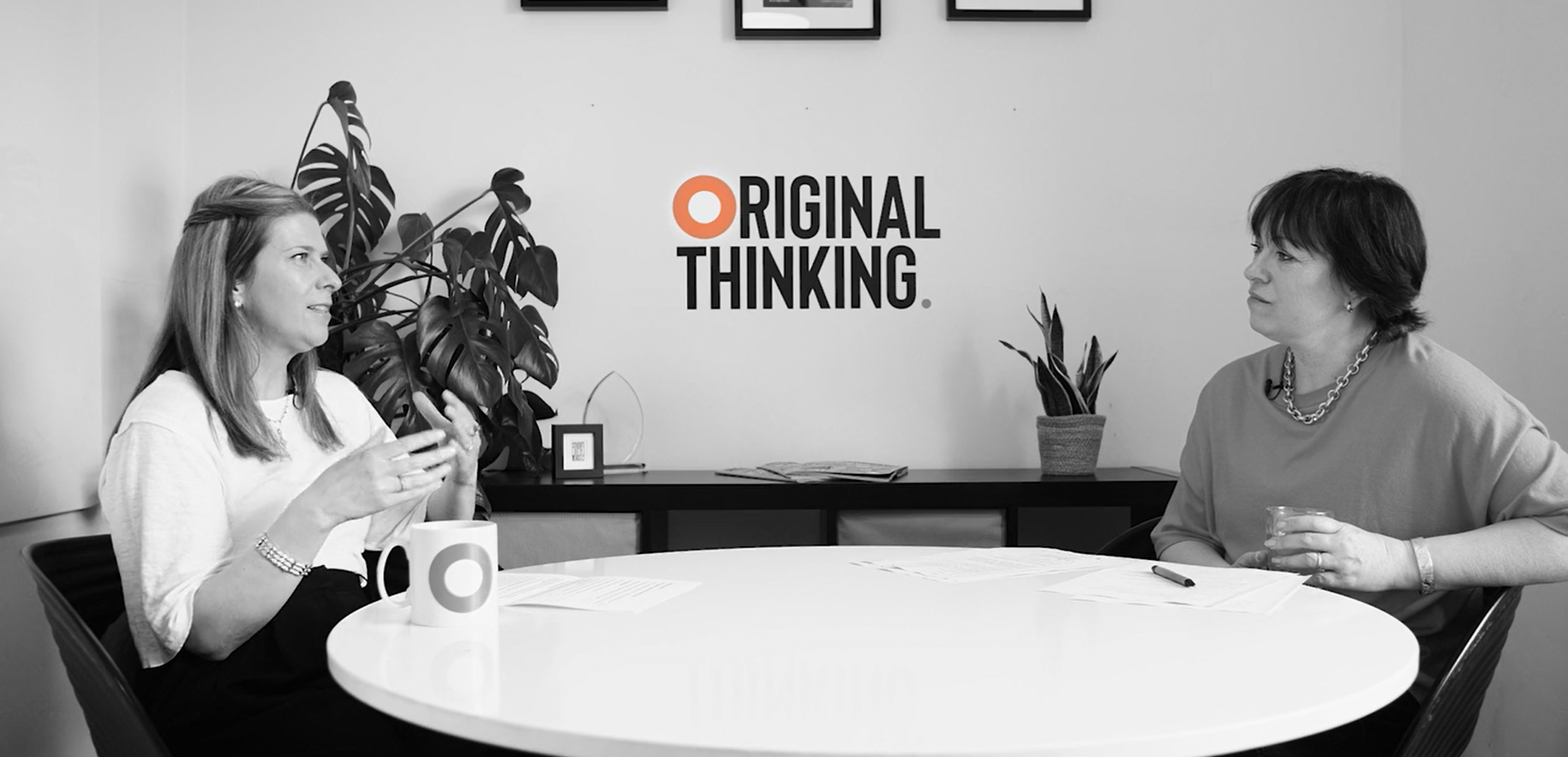
In the latest episode of Original Thinking, O founder Kari Owers chats with Joanna Feeley, Founder of TrendBible, to talk about trend forecasting, future-focused strategy, innovation, AI and the importance of having a really distinctive viewpoint.
Joanna has spent her career helping brands understand where people, culture and behaviour are heading next. Not by guessing, but by paying close attention to the signals that are already out there – in homes, habits, products, aesthetics, conversations and the small everyday moments.
This is a conversation about the future, but it is also about judgement. Knowing what to look at, what to ignore, when to trust the data and when to bring a human point of view into the room.
Here are three takeaways from Joanna’s episode that every brand, marketer and business leader can learn from…
1. Originality starts with a distinctive POV
Originality can sound like a lot of pressure, especially when most ideas, trends and conversations have already existed in some form before. For Joanna, originality is closely tied to having a distinctive viewpoint – if something is worth doing, it deserves something interesting to say about it.
That feels like a really important point for brands. Original thinking can be about bringing a perspective that feels clear, ownable and true to the business.
The strongest brands have a very clear view, they know what they believe and they can look at the same information as everyone else and still find a way to frame it differently. A lot of the value sits in the interpretation, not just the observation.
2. Looking backwards is not always the safe option
When things feel uncertain, it is natural for businesses to look backwards. What worked last year? What sold well before? What did customers respond to then? That kind of evidence is useful, but Joanna makes the point that it can only take you so far.
The brands that move culture forward build a view of where they want to go next, then make decisions that move them towards it. That takes confidence, especially when the easier option is to keep repeating what already feels proven.
This links closely to Joanna’s point about innovation culture. Businesses can talk about innovation all they like, but if people are not allowed to test and get things wrong, fear starts to take over, and that’s the safest ideas usually win.
Proper innovation needs a bit of space around it, to experiment, to be wrong, to adjust and to keep going. Without that, brands can end up protecting what already exists rather than creating what comes next.
3. Data can only take you so far
One of the best examples in the episode is Joanna’s story about an AI tool designing a kettle for 2028. The tool looked at what was selling in the category and created something based on that data, but she could immediately see that the colour and shape were wrong.
That is where data can only take you so far. Knowing what people are buying today is useful, but it does not always tell you where taste, homes, culture and behaviour are heading next.
A kettle is not just a kettle – it sits in a kitchen, in a home, in a wider design landscape, surrounded by changing attitudes to colour, materials, rituals, space and how people want their lives to feel.
Human judgement is still so important. AI can process huge amounts of information, but real foresight needs context, taste, experience and someone who can connect what is happening in one part of culture to what might happen somewhere else.
The same is true of trends more broadly, as can start small – like a drink people keep ordering or a new routine – but the skill is noticing those shifts before they become obvious.
There’s plenty more in the full episode, from how everyday behaviours become trends and why brands need to look forwards, to Joanna’s take on AI, data and the role of human judgement in future thinking.
Listen to the Original Thinking podcast
Watch the full conversation with Kate:
Listen on Spotify: